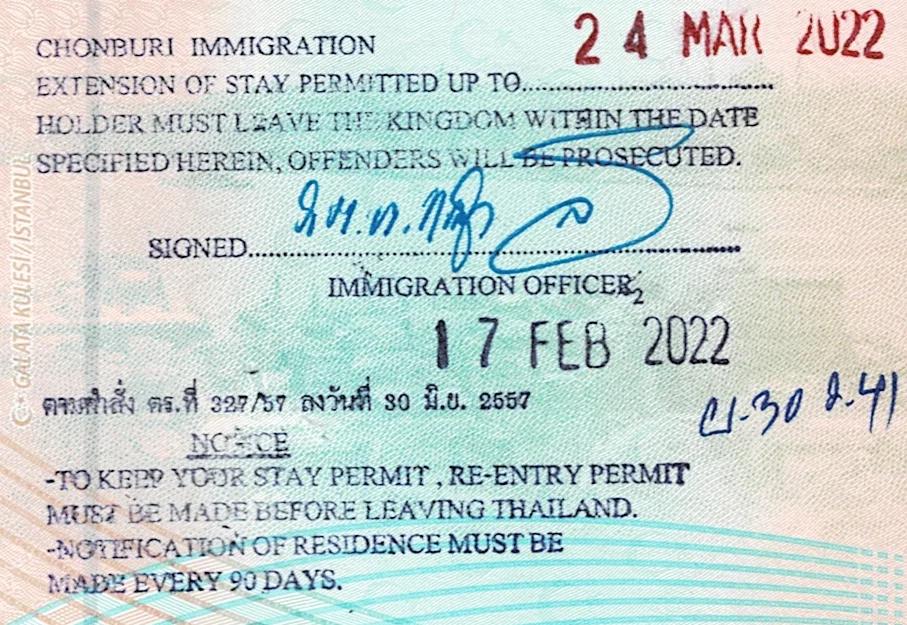
Foreigners applying to extend their stay at Phuket Immigration are now being asked to sign a document setting out the conditions of their permission to stay, and the office will not process an extension for anyone who refuses. Phuket Immigration chief Pol. Col. Khemchart Wattanapakasem confirmed the requirement to The Phuket News on 15 November 2026, after expats contacted the newspaper about a form they had not seen before.
His message was blunt: "If someone does not wish to sign, they simply should not submit an application and leave the country." Here is what the document is, what it means in practice, and how to prepare if your extension is coming up.
Reviewed 16 November 2026. Based on Phuket Immigration's statements to The Phuket News published 15 November 2026. Phuket Immigration had not announced the form on its own website or Facebook page at the time of the report.
What Phuket Immigration confirmed
According to Pol. Col. Khemchart:
- Every extension applicant must sign. The requirement covers all applications to extend a visa or permission to stay, not only retirement extensions.
- No signature, no application. Applicants cannot refuse to sign and still expect the office to process their file.
- The conditions are not local rules. They come from Thai law, Ministry of Interior notifications and other regulations. Officers are bound to enforce them and cannot grant individual exemptions.
- The purpose is awareness. The office wants foreigners to understand the rules attached to their stay so they cannot later say they did not know their obligations.
- Breaking the conditions can cost you your stay. If authorities find that a foreigner is not complying, the permission to stay can be revoked.
- It is "not new", but the start date is unclear. The chief said the procedures for informing applicants have existed for a long time, but he could not say when the current signing step began. Some long-term residents told the newspaper the form was new to them.
When asked whether this was a Phuket-only practice, he said the conditions are based on national legislation and regulations rather than local procedure. The Phuket News report does not confirm whether other immigration offices use the same form, so expect variation and ask your own office.
What the conditions say, by type of stay
The chief gave examples of how the conditions depend on the reason you were allowed to stay:
- Retirement: you may not work.
- Education: you must actually attend your course.
- Business: your activities must match the business purpose of your stay.
He also pointed to the financial requirements for retirement extensions, including keeping 800,000 baht in a Thai bank account for a set period, for example 60 days, before applying, and said later withdrawals must also follow the rules. The detailed money rules for retirement extensions are commonly summarised as 800,000 baht seasoned for two months before filing, kept for three months after approval, and never below 400,000 baht after that, but check the current requirement with your immigration office before relying on any summary.
If you disagree with the conditions of your current category, the chief said you can apply for a different type of permission to stay, as long as you meet its criteria.
What this means for you
For most people the form changes nothing about what is allowed. The rules already applied; the difference is that you now confirm in writing that you know them. That has a practical effect: if a problem comes up later, for example evidence that a retiree is working or that a student is not attending classes, it will be harder to argue that you were never told.
Points worth thinking about before you sign:
- Retirees who do any paid work, including online work for clients, should take advice. The chief's example is clear that retirement status does not permit employment.
- Education visa holders should keep attendance records and make sure the school can confirm them.
- Business visa holders should make sure their actual activity matches their work permit and the company that supports their stay.
- Retirees moving money should keep bank letters and statements that show the balance history the office expects, and avoid withdrawals that break the rules.
Checklist before your Phuket extension appointment
- Read the conditions if the officer gives you the document. Ask for an English copy or take a photo if allowed, so you know what you signed.
- Check that your activities match your category. If they do not, talk to the office or a qualified adviser about the right category before you apply.
- Prepare your money evidence early. For retirement, that means the bank book, a bank letter dated close to your appointment and statements showing the required period.
- Keep your reporting up to date. The chief reminded foreigners to comply with mandatory reporting, which includes 90-day reports for long-stay residents.
- Apply before your current permission expires. Late applications risk overstay fines and worse.
- Bring copies of everything, including passport pages with your latest entry and extension stamps, and your TM.30 address notification receipt if your office asks for it.
- Keep a record of the date you signed and what you were given.
Other offices
If you extend your stay in Bangkok, Pattaya, Chiang Mai or elsewhere, you may or may not be asked to sign a similar document. The chief's explanation that the conditions are national suggests that other offices could adopt the same practice. Ask your office directly, and check its official website or Facebook page for notices.
Sources
- The Phuket News, "Phuket Immigration: 'Sign stay conditions, or leave Thailand'", 15 November 2026: https://www.thephuketnews.com/phuket-immigration-sign-stay-conditions-or-leave-thailand-102202.php
- Immigration Bureau of Thailand (official site for extension forms and requirements): https://www.immigration.go.th/
Editorial note: Foreigner's Thailand is an independent guide, not a visa agency or a law firm. Requirements can differ between offices and change without notice. Confirm the current conditions and documents with your local immigration office, the Immigration Bureau or your embassy before you apply.
Image: "Thailand Tourist Visa Extension Stamp", by Ave Ozkal, via Wikimedia Commons, licensed CC BY-SA 4.0.