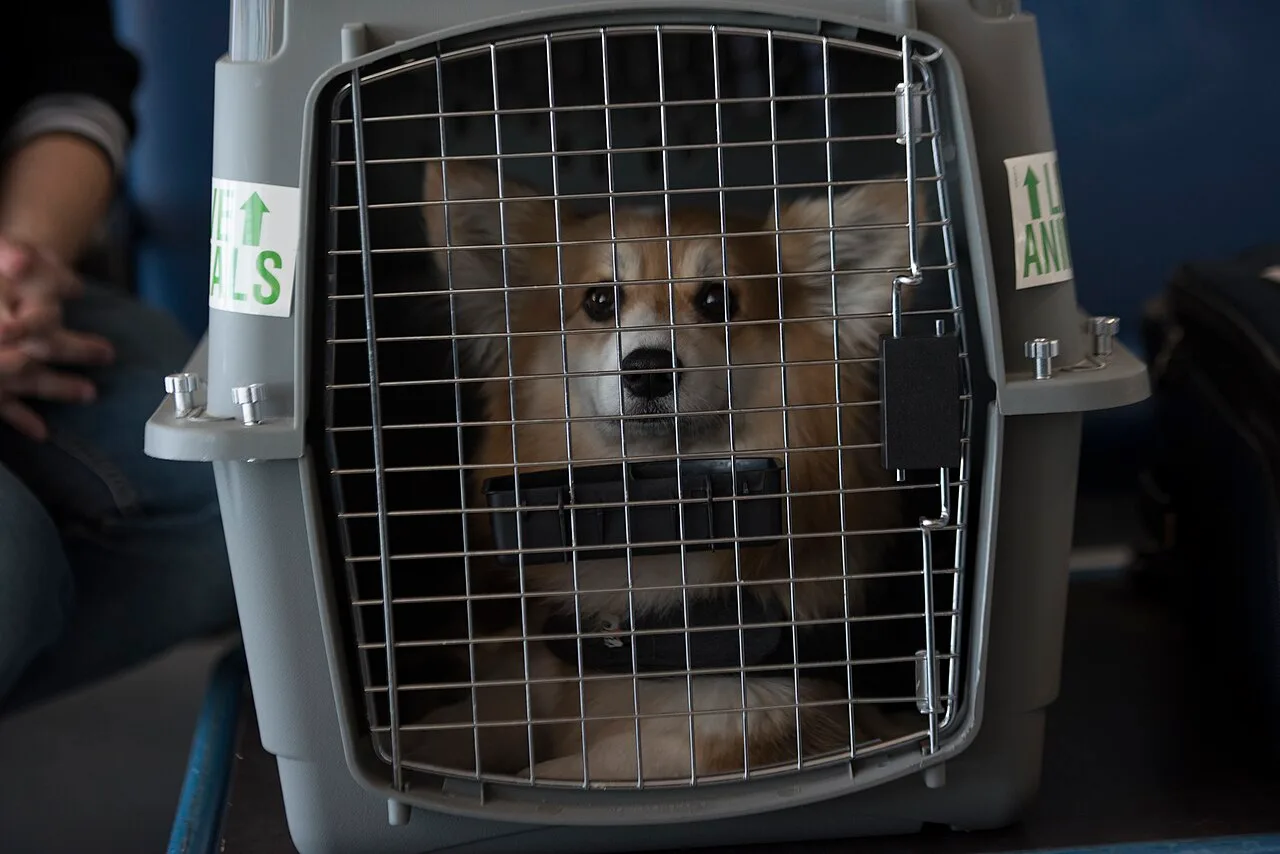
Suvarnabhumi Airport has tightened its rules on animals in the terminal. Under an announcement from Airports of Thailand (AOT), shared on the airport's official Facebook page, pets may no longer be brought into the main passenger terminal, the concourses, airside areas or other zones designated by the airport director, unless they are actually flying, are guide dogs, or have special permission. A carrier, bag or pet stroller does not count as an exemption. That matters for the many residents who like to bring the family dog along when dropping off or picking up friends, and for anyone planning to fly out of Bangkok with a pet.
Reviewed 12 November 2026. Checked against the Suvarnabhumi Airport announcement as reported in Thai and English-language press on 9–10 November 2026, the Civil Aviation Authority of Thailand's guidance on travelling with pets, and the Department of Livestock Development's Suvarnabhumi Animal Quarantine Station.
At a glance
- Where: Suvarnabhumi Airport's main passenger terminal, concourses, airside (restricted) areas and other zones the airport director designates.
- Which animals: all of them, including dogs, cats, birds, land and aquatic animals, and insects.
- Who is exempt: animals travelling by air, kept in a secure cage or carrier; guide dogs for people with disabilities; and specially authorised animals, such as explosives detection dogs and other working dogs under official supervision.
- Not exempt: pets brought along just to drop off or meet passengers, even if carried, kept in a bag or cage, or pushed in a pet stroller.
- Penalty: a warning, being asked to leave the area, or legal action.
- Questions: AOT Contact Center 1722.
What the new rule says
According to the airport's announcement, the restriction covers the main terminal building, the concourses, the airside zone and any other area designated by the airport director. It applies to all animals. The stated aim is the safety of passengers, visitors and airport operations.
Three groups are exempt:
- Animals travelling by air. Pets that are flying must be kept securely inside a suitable cage or carrier to prevent escapes, injuries or disturbance to other airport users.
- Guide dogs assisting people with disabilities.
- Specially authorised animals, including explosives detection dogs and other working dogs under the supervision of officials.
Anyone responsible for an authorised animal must keep it under proper control and use secure, suitable equipment.
"But my dog is in a carrier"
This is the point most likely to catch people out. As the Thai press summaries of the announcement stress, putting a pet in a cage, bag or pet stroller does not by itself allow it into the terminal. If your dog or cat is not flying, it cannot come into the main terminal with you to see someone off or to wait at arrivals, even if it stays in your arms the whole time.
If you are driving to the airport with a pet in the car, plan for someone to stay with it outside the terminal or leave the pet at home. Never leave an animal alone in a parked car in the Thai heat.
Flying out of Bangkok with a pet
If your pet is travelling, it can enter the relevant areas in a secure carrier, but the airport says the planning should start with the airline, well before you book.
- Ask the airline first. Airlines differ on whether animals can travel in the cabin, as checked baggage in the hold, or only as cargo. Thai Airways, for example, accepts dogs and cats as checked baggage on the same flight as their owner, subject to its conditions. Confirm the cage dimensions, the combined weight limit for the animal and carrier, the fee and where to hand the pet over on the day.
- Check the destination country's import rules. Requirements vary widely. Depending on where you are going, you may need a health certificate, rabies vaccination records, an import permit or other documents.
- Get a Thai export permit. Pets leaving Thailand need permission from the Department of Livestock Development (DLD). The process listed by Thailand's Civil Aviation Authority is:
- apply to export the animal (form R.1/1);
- have the animal's health checked no more than two to three days before travel;
- receive the export permit (form R.9) and a health certificate from the quarantine station.
- Prepare the documents. CAAT's guidance lists a copy of the owner's passport, a copy of the ID of the person handling the export formalities, and, for dogs and cats, a copy of the rabies vaccination certificate. Birds and other animals may need extra documents from the wildlife authorities, and CITES papers for protected species.
- Contact the Suvarnabhumi Animal Quarantine Station. It is on the first floor of the export cargo customs building (CE-1) in the airport's free zone, phone 02 134 0731, email qsap_bkk_export@dld.go.th for exports and qsap_bkk_import@dld.go.th for imports. The station asks owners to make sure pets are clean before the vet inspection and says its vets may decline to inspect dirty animals.
- Allow extra time on the day for document checks, check-in and handing over your pet.
Arriving with a pet
The same rules on permits apply in the other direction. AOT warns that bringing live animals or animal products into or out of Thailand without a permit is strictly prohibited, with penalties of up to two years in prison, a fine of up to 200,000 baht, or both. If you arrive with a live animal or animal products, report to the Animal Quarantine officers in the baggage claim area; AOT's page points to the counter in front of baggage claim carousel 8. For the paperwork needed to import a pet, see our guide to bringing pets to Thailand and contact the DLD before you travel.
Does this apply at other airports?
The announcement reported so far covers Suvarnabhumi. AOT also runs Don Mueang, Chiang Mai, Chiang Rai, Phuket and Hat Yai airports, and rules may differ. If you plan to bring an animal to any airport, call the AOT Contact Center on 1722 or check with the airport before you go.
Checklist
- Not flying with your pet? Leave it at home or with someone outside the terminal.
- A carrier, bag or stroller is not an exemption.
- Flying with your pet? Confirm the airline's rules, cage size, weight limit and fee before booking.
- Check the destination country's import rules early.
- Apply for a DLD export permit and book the health check two to three days before departure.
- Bring your passport copy and the rabies vaccination certificate.
- Unsure? Call AOT on 1722 or the Suvarnabhumi Animal Quarantine Station on 02 134 0731.
Sources
- The Thaiger, 10 November 2026, "Suvarnabhumi Airport tightens rules on bringing pets into terminals": https://thethaiger.com/news/national/suvarnabhumi-airport-tightens-pet-entry-rules
- Sanook, 9 November 2026, the Suvarnabhumi Airport post and what it means for dropping off passengers (in Thai): https://www.sanook.com/news/9911550/
- DogThailand, 9 November 2026, summary of the AOT announcement and the AOT 1722 contact centre (in Thai): https://www.dogthailand.net/thread-68843-1-1.html
- Civil Aviation Authority of Thailand, travelling with pets (in Thai): https://www.caat.or.th/aviation/passenger/passenger-guidelines/traveling-with-pets/
- Department of Livestock Development, Suvarnabhumi Animal Quarantine Station, exporting dogs and cats: http://aqs-suvarn-dld.go.th/wp/en/export-en/
- Airports of Thailand, Suvarnabhumi Airport, Animal Quarantine: https://suvarnabhumi.airportthai.co.th/service/facility/detail/1075
Image: "Pets on the move- PCSing pets (6227937)", U.S. Air Force photo by Airman 1st Class Taylor Slater, via Wikimedia Commons, public domain. The photo was taken at a passenger terminal in Germany and is used for illustration only.
This article is general information, not an official notice. Airport rules, airline policies and export requirements can change. Check with AOT, your airline and the Department of Livestock Development before travelling. For questions about your own stay in Thailand, confirm with Thai Immigration or your embassy.