Bank of Thailand has published a second draft of rules that would stop banks and e-money apps from using SMS or email one-time passwords (OTPs) as an authentication factor for high-risk digital transactions. The public hearing closed on 6 November 2026. The draft is not yet in force. If you use a Thai bank app, PromptPay, or a supervised e-money wallet, here is what the draft would change for everyday transfers, withdrawals and limit increases — and what you can do while the final notice is still pending.
Reviewed 6 November 2026 against the Bank of Thailand public-hearing page and the October 2569 (2026) Digital Channel Security draft PDF. Secondary summaries from Legal500/Tilleke & Gibbins and MediaNama were used only to cross-check points that also appear in the draft.
At a glance
- Status: draft for public hearing 7 October – 6 November 2026. Not gazetted. Not binding yet.
- What it replaces: the 2025 Mobile Banking Security notices, expanded into Digital Channel Security covering mobile apps and internet banking.
- Who is covered: financial institutions, specialised financial institutions, e-money providers, credit-card businesses, supervised personal-loan businesses, and supervised nanofinance / occupational microloan businesses that offer digital channels.
- High-risk transactions that must not use SMS or email OTP as an auth factor: transfers to another person; cash withdrawals; loan or credit drawdowns; ATM cash collection; and increases to transfer/withdrawal limits. Allowed factors include passkeys, hardware or software tokens, and OTPs generated inside a pre-registered app.
- SMS/email still OK for alerts: out-of-band notifications after enrolment or high-risk activity are still envisaged.
- Extra face check thresholds: face comparison plus presentation-attack detection at least for a single transfer of 50,000 baht or more; cumulative transfers every 200,000 baht in one day; and daily transfer-limit increases of 50,000 baht or more.
- Device rules: one user account per service on one device; no rooted/jailbroken devices; block while remote-control, spyware or abusive accessibility apps are active; risky OS devices may be limited to own-account transfers or capped at ≤5,000 baht/day.
- Timing if adopted: generally 30 days after Gazette publication; MFA for certain withdrawals/drawdowns under clause 5.3.1 (2.1)(2) takes effect after 90 days. The draft signature line is blank and dated January 2570 (January 2027).
- BoT contact for the hearing: tsd-techpolicy@bot.or.th
Why BoT is rewriting the rules
In 2025 BoT issued Mobile Banking Security standards for mobile apps at banks, specialised FIs and e-money providers. Fraudsters then shifted toward internet banking and non-bank apps. The new draft widens the perimeter to all “digital channels” — internet banking plus mobile banking — and aims to cut unauthorized payment fraud, including SIM-swap and OTP-interception attacks that rely on codes sent by SMS or email.
The draft notice title is the Bank of Thailand Notification on security for financial and payment services via digital channels (Digital Channel Security). Number and signature date are still blank in the hearing PDF.
Who would have to comply
Clause 4 applies the notice to providers that offer digital-channel services among:
- financial institutions under the Financial Institutions Businesses Act;
- specialised financial institutions;
- e-money businesses under the Payment Systems Act;
- credit-card businesses;
- supervised personal-loan businesses;
- supervised nanofinance / occupational microloan businesses.
If your everyday app is a major Thai bank, a government specialised bank, a licensed e-wallet, a credit-card issuer’s app, or a supervised consumer-loan app, it sits inside that perimeter once a final notice is issued.
High-risk transactions: no more SMS or email OTP as the factor
For high-risk flows, providers must use multi-factor authentication that is hard to phish. The draft explicitly tells them not to use OTP delivered by SMS or email as an authentication factor for:
- transferring money to another person’s account;
- cash withdrawals, loan drawdowns, credit-card cash advances collected at an ATM; and
- increasing daily transfer or withdrawal limits.
Acceptable “something you have” factors listed in the draft include cryptographic keys on hardware or software tokens, passkeys, and one-time passwords generated inside an app already bound to your device with the provider.
SMS and email are still listed among channels for transaction alerts (out-of-band notification) so you can spot fraud after the fact. The ban is on using those codes as the approval factor, not on receiving a text that a transfer happened.
Own-account transfers and other lower-risk moves may use other authentication methods if the provider’s risk unit approves in writing.
Face comparison for larger amounts
On mobile apps, providers must add face comparison plus presentation-attack detection at least when:
- a single transfer is ≥ 50,000 baht;
- transfers in one day reach each successive 200,000 baht cumulative band; or
- you raise the daily transfer limit by ≥ 50,000 baht.
Exceptions may apply if you cannot use face comparison (for example visual impairment), provided the provider has substitute risk controls. Own-account transfers and recurring automatic transfers that were already authenticated on the first set-up may also skip the extra face step under the draft’s low-risk carve-outs — confirm how your bank will implement that.
One account, one device, safer phones
The draft also tightens enrolment and device hygiene:
- One user account per service, usable on one device for that service.
- New digital enrolment or a new-device install should come with early-period risk controls (cooling-off, low-risk-only activity, or temporary lower limits) and an immediate out-of-band notification.
- Apps must not run on rooted or jailbroken devices.
- Apps must block while remote-control apps, unnecessary accessibility-abuse apps, or screen-stealing malware-style apps are active.
- If the phone runs an OS that trusted sector bodies such as TB-CERT flag as risky, the provider may limit you to own-account transfers or cap transfers at no more than 5,000 baht per day, and may require extra face checks.
Messages without surprise links
Providers must not attach links in SMS or email by default. On social media they must not attach links that solicit usernames, passwords, OTPs or national ID numbers. A link is allowed on those channels only when you request it for that occasion, and the message must make clear it is a one-off response to your request.
That is aimed at fake “bank” texts and social-engineering pages. Treat any unexpected banking link as hostile until you open the official app yourself.
When it would take effect — and exemptions
If BoT adopts the notice:
- most provisions apply 30 days after the day following Gazette publication;
- clause 5.3.1 (2.1)(2) MFA for the listed withdrawal/drawdown/ATM collection cases applies 90 days after that Gazette trigger;
- the draft’s signature block is still blank and dated January 2570 (January 2027).
Providers that cannot comply immediately may seek a case-by-case exemption under clause 5.4. Under the transitional clause, those already unable to comply before the effective date must apply within 7 days of the notice taking effect; while BoT decides (target 30 business days from a complete file), that interim period is treated as not violating the notice.
What this means for foreigners with Thai apps
- Nothing changes overnight. Until a final notice is gazetted, your bank can still send SMS OTPs for transfers under current rules.
- Expect app upgrades. When a final notice lands, banks will push you toward in-app OTP, tokens or passkeys. Keep your phone OS updated and remove remote-control or unknown accessibility tools before you travel or renew a device.
- Do not rely on SMS forever. SIM-swap and SMS interception are exactly why BoT wants these codes out of the approval path. Prefer the bank’s official app notifications and bound-device methods once offered.
- Watch for face checks on larger transfers. If you send rent, school fees or business payments above 50,000 baht in one go, plan to be able to complete a face check in a well-lit place.
- Jailbreaks and “helper” apps will break banking. Rooted phones and many remote-support apps will be incompatible.
- Ask your bank how they will migrate you. Each provider will choose its own mix of passkeys, soft tokens and in-app OTP within BoT’s floor.
Checklist
- Confirm the hearing closed 6 November 2026 and watch BoT for the final Gazette notice before treating any SMS-OTP ban as live.
- Update your Thai bank and e-money apps; turn on official push alerts.
- Prefer in-app approval or token methods once your bank offers them; do not share OTPs with callers or chat “support”.
- Avoid rooted/jailbroken phones for banking; uninstall unused remote-control and accessibility apps.
- For transfers ≥ 50,000 baht, be ready for face comparison once your bank rolls it out.
- Ignore unexpected SMS/email links claiming to be your bank; open the app from your home screen instead.
- Keep BoT’s tech-policy contact handy if you are a provider: tsd-techpolicy@bot.or.th
Sources
- Bank of Thailand public hearing (7 Oct – 6 Nov 2026): Digital Channel Security draft — https://www.bot.or.th/th/laws-and-rules/public-hearing/public-hearing-20261007-digitalchannel.html
- Draft PDF: (ร่าง) หลักเกณฑ์การรักษาความมั่นคงปลอดภัยของการให้บริการทางการเงินผ่านช่องทางดิจิทัล — https://www.bot.or.th/content/dam/bot/documents/th/laws-and-rules/hearing/public-hearing-20261007-digitalchannel.pdf
- Legal500 / Tilleke & Gibbins summary of the revised draft — https://www.legal500.com/intelligence/thailand/finance-and-banking/thailand-releases-revised-draft-rules-on-digital-channel-security
- MediaNama: Bank of Thailand proposes tighter checks for mobile and internet payments — https://world.medianama.com/bank-of-thailand-proposes-tighter-checks-for-mobile-and-internet-payments/
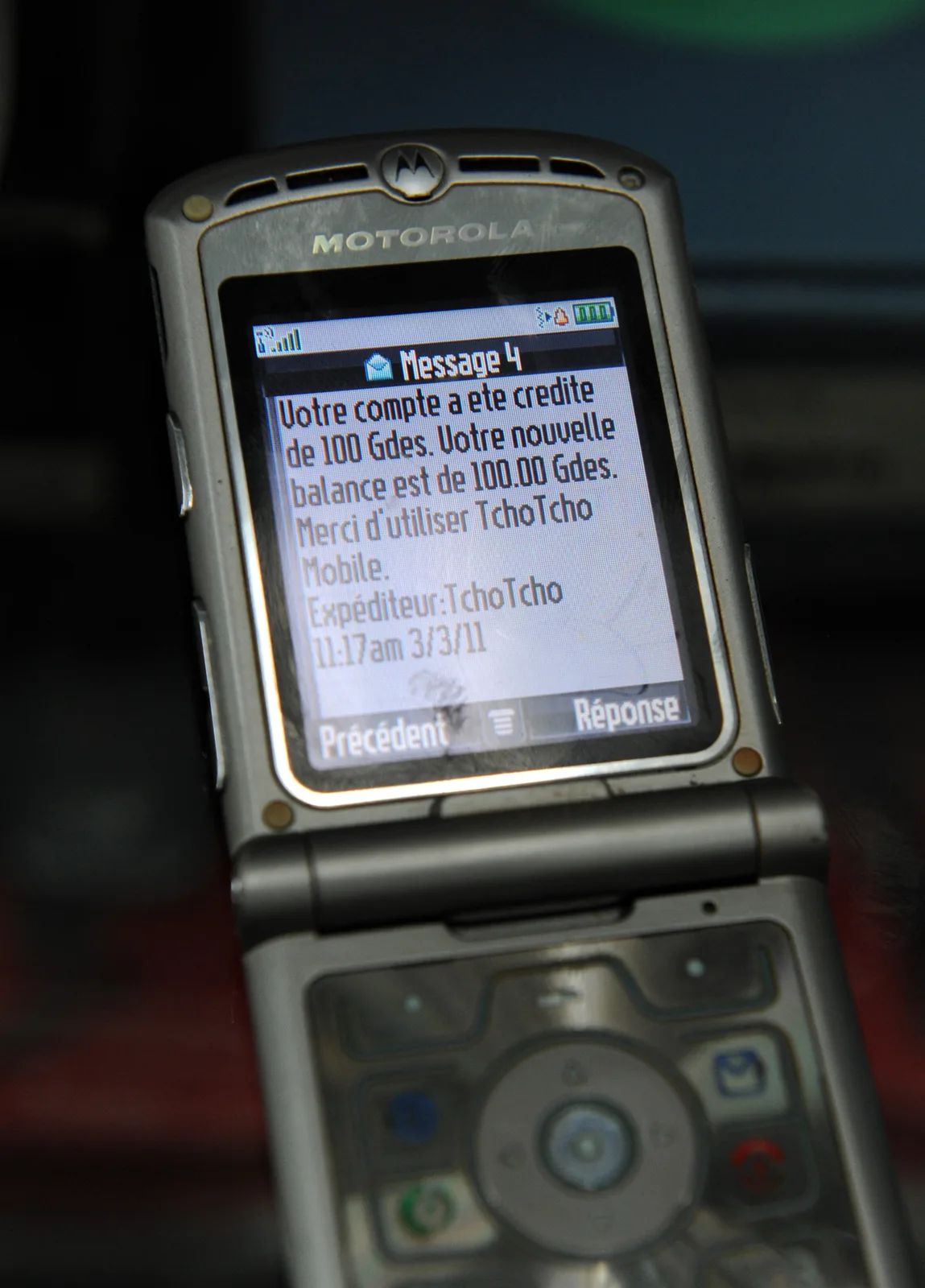
Image: "Mobile banking deposit (5494592023)" by USAID U.S. Agency for International Development, public domain, via Wikimedia Commons.
This article is general information for foreigners who use Thai digital banking or e-money apps. It is not financial, legal or cybersecurity advice. The text describes a draft that may change before Gazette publication. Confirm live requirements with your bank or e-money provider and with the Bank of Thailand before changing how you authenticate payments.